The best POS billing machine is no longer just a device that generates bills. In 2026, it has become the operational backbone of modern retail businesses. Whether you run a supermarket, grocery store, electronics showroom, pharmacy, fashion outlet, restaurant, or multi-location retail chain, choosing the right POS system can directly impact sales, customer satisfaction, inventory control, and profitability.
Retail businesses across India are rapidly adopting digital billing and payment technologies. The Indian POS terminal market continues to experience strong growth driven by UPI adoption, contactless payments, organized retail expansion, and increasing demand for cloud-based retail management solutions. Industry reports project double-digit growth for the Indian POS ecosystem over the next several years.
If you are planning to invest in a POS billing machine for retail store operations, this guide will help you understand the key features, pricing, technologies, and buying factors that matter most in 2026.
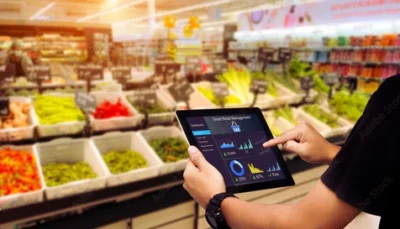
Why POS Systems Matter More Than Ever in 2026
Retail has changed dramatically over the past few years. Customers expect faster billing, multiple payment options, personalized service, loyalty rewards, and accurate inventory availability. A traditional cash register simply cannot keep up with these expectations.
India’s digital payment ecosystem continues to expand rapidly, supported by UPI, QR payments, contactless transactions, and government initiatives encouraging cashless commerce. Industry reports indicate strong growth in POS terminal deployment across retail and hospitality sectors.
A modern POS billing system helps retailers:
- Process sales quickly
- Accept multiple payment methods
- Track inventory automatically
- Generate GST-compliant invoices
- Manage customer databases
- Analyze sales performance
- Reduce billing errors
- Improve operational efficiency
Think of a POS machine as the control center of your business. Every transaction, inventory update, customer purchase, and sales report flows through this single system.
What Is a POS Billing Machine?
A POS (Point of Sale) billing machine is a combination of hardware and software used to process sales transactions and manage retail operations.
Hardware Components
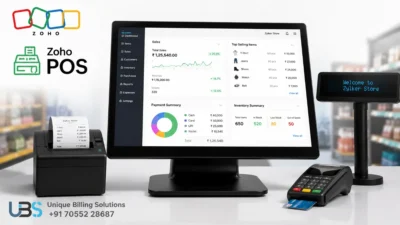
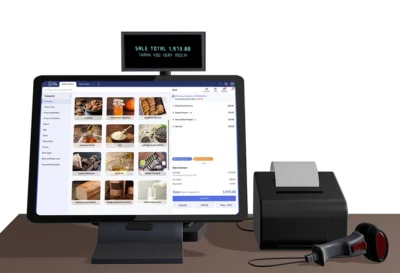
Most retail POS setups include:
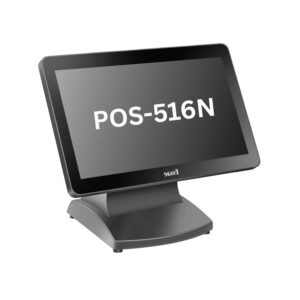
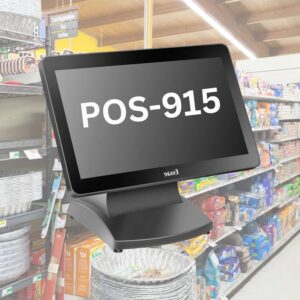
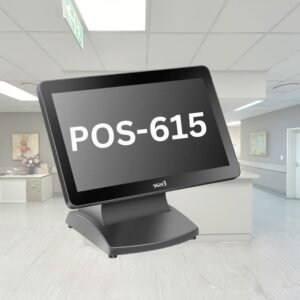
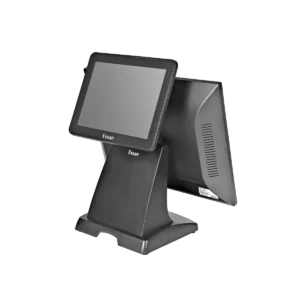
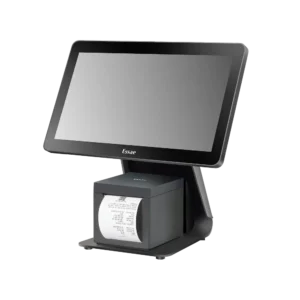
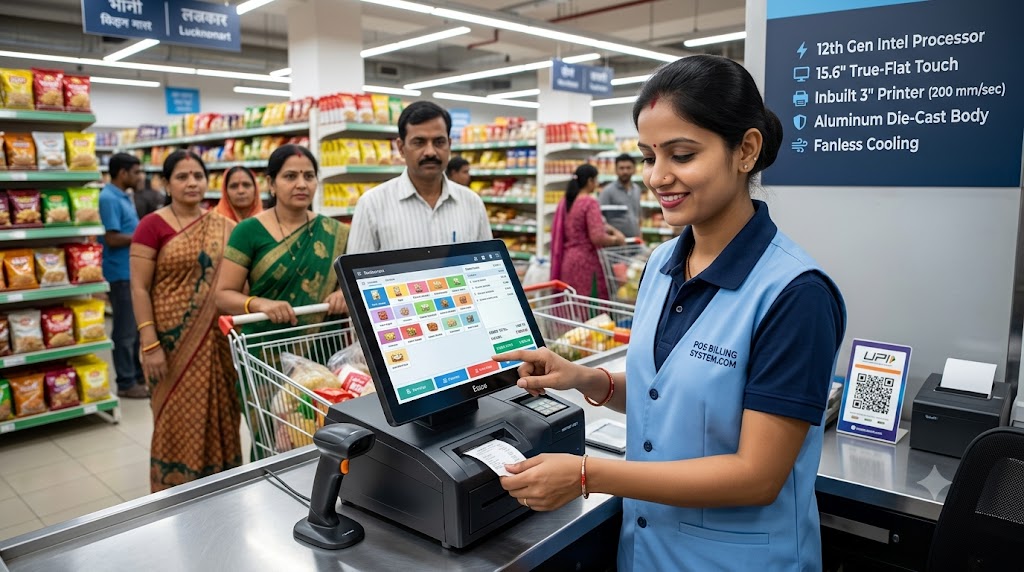
- Touchscreen POS Terminal
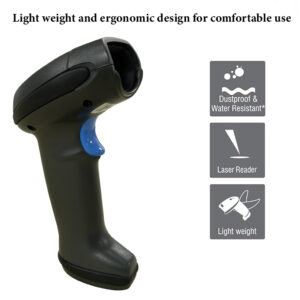
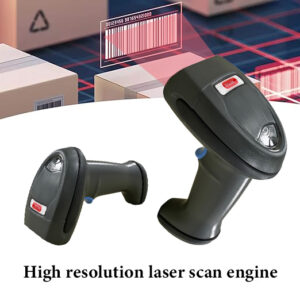
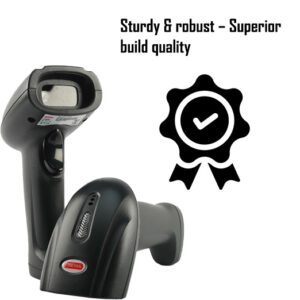
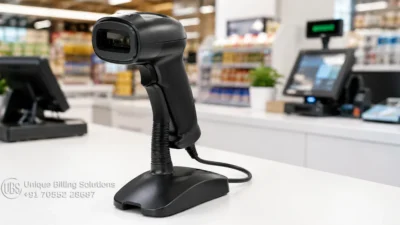
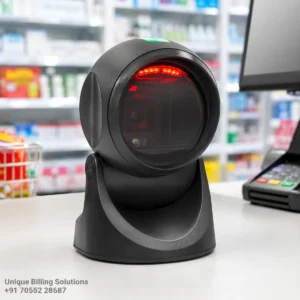
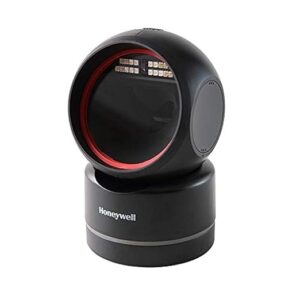
- Barcode Scanner
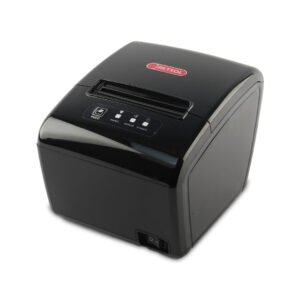
- Thermal Receipt Printer
- Cash Drawer
- Customer Display
- Barcode Printer (optional)
- Card Payment Device
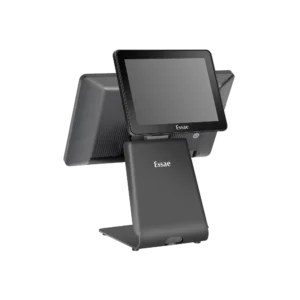
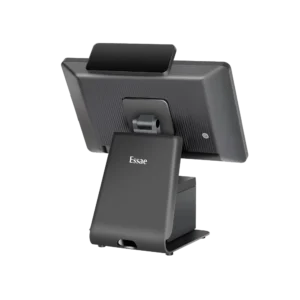
Modern all-in-one POS systems integrate many of these components into a single compact unit, reducing space requirements and improving efficiency.
Software Components
The software side of the POS system typically handles:
- Billing and invoicing
- Inventory management
- GST compliance
- Customer management
- Loyalty programs
- Employee management
- Purchase tracking
- Business analytics
Without powerful software, even the most advanced hardware becomes limited in functionality.
Types of POS Billing Machines Available in 2026
Selecting the right POS category is the first major decision.
Desktop POS Systems
Desktop POS machines remain popular among supermarkets, pharmacies, and high-volume retail stores.
Advantages include:
- Higher processing power
- Larger displays
- Better multitasking
- Expanded peripheral support
These systems are ideal for businesses processing hundreds of transactions daily.
All-in-One POS Machines


All-in-one POS systems are increasingly becoming the preferred choice for modern retailers.
Benefits include:
- Compact design
- Professional appearance
- Faster deployment
- Minimal cable clutter
- Improved customer experience
Popular retailers often choose touchscreen POS terminals because they simplify daily operations while maintaining a clean checkout counter.
Android POS Terminals
Android-based POS devices have gained popularity among small retailers.
They offer:
- Lower investment costs
- Mobility
- App-based management
- Easy software updates
For startups and small businesses, Android POS systems can provide excellent value.
Cloud-Based POS Systems
Cloud POS solutions represent one of the biggest trends in retail technology.
Advantages include:
- Remote access
- Automatic backups
- Real-time inventory synchronization
- Multi-store management
- Scalability
Retailers can monitor business performance from anywhere using a smartphone or laptop.
Essential Features to Look for in the Best POS Billing Machine
Many business owners focus only on hardware specifications. The real value comes from the overall ecosystem.
Inventory Management
Inventory control is often the most important feature for retailers.
A good POS system should:
- Track stock levels automatically
- Generate low-stock alerts
- Manage multiple warehouses
- Track fast-moving products
- Reduce inventory losses
Without inventory management, retailers risk stockouts and overstocking, both of which impact profitability.
GST Billing and Compliance
GST compliance remains critical for Indian businesses.
Your POS system should support:
- GST invoices
- HSN codes
- Tax reports
- GST returns data
- E-invoicing compatibility
Choosing a GST-ready POS solution reduces accounting complexity.
Digital Payment Integration
Customers increasingly prefer digital payments over cash.
Modern POS systems should support:
- UPI
- Credit cards
- Debit cards
- QR payments
- Wallet payments
- Contactless transactions
The rapid growth of digital payments in India highlights the importance of seamless payment integration.
Customer Relationship Management
Customer retention is often cheaper than acquiring new customers.
Advanced POS systems can:
- Track customer purchases
- Create loyalty programs
- Send promotions
- Maintain customer databases
- Generate personalized offers
These features help retailers increase repeat business and customer lifetime value.
How Different Retail Businesses Have Different POS Needs
Not all retail stores operate the same way.
Grocery Stores
Grocery retailers require:
- Fast barcode scanning
- High transaction speed
- Weight scale integration
- Inventory automation
Fashion Stores
Fashion businesses benefit from:
- Size and color management
- Loyalty programs
- Customer purchase history
- Promotional pricing
Electronics Stores
Electronics retailers often need:
- Warranty management
- Serial number tracking
- Product comparison tools
- Extended inventory control
Choosing industry-specific functionality can significantly improve operational efficiency.
Common Mistakes Retailers Make When Buying a POS System
Many businesses focus solely on price and ignore long-term requirements.
Common mistakes include:
- Choosing the cheapest system available.
- Ignoring software scalability.
- Overlooking customer support.
- Not checking hardware compatibility.
- Ignoring cloud backup capabilities.
- Selecting software without GST features.
- Failing to assess future expansion needs.
A POS system should support business growth for at least the next five years.
Best POS Billing Machine Buying Checklist
Before purchasing a POS system, verify the following:
✓ Touchscreen interface
✓ GST billing support
✓ Inventory management
✓ UPI payment integration
✓ Cloud backup
✓ Barcode scanner compatibility
✓ Thermal printer support
✓ Customer management features
✓ Multi-user access
✓ Business reporting dashboard
✓ Vendor support availability
✓ Software update policy
If a solution meets all these requirements, it is likely to deliver strong long-term value.
Future Trends Shaping POS Systems in 2026
The next generation of POS systems is becoming smarter and more connected.
Emerging trends include:
- AI-powered sales forecasting
- Voice-assisted billing
- Omnichannel retail integration
- Cloud-native POS architecture
- Advanced customer analytics
- Real-time business intelligence dashboards
Technology providers are increasingly focusing on unified commerce platforms that combine online and offline retail operations into a single ecosystem. Industry forecasts continue to show strong growth in POS software and hardware adoption globally and across India.
Retailers investing today should prioritize future-ready systems capable of adapting to these technological changes.
Conclusion
Choosing the best POS billing machine in 2026 is about much more than generating receipts. A modern POS solution acts as the command center for inventory management, customer engagement, sales analytics, GST compliance, and payment processing.
Retail businesses should focus on scalability, software capabilities, cloud integration, payment flexibility, and long-term support rather than simply comparing hardware prices. The right POS billing machine for retail store operations can streamline workflows, improve customer experience, and create a foundation for sustainable business growth.
As India’s retail sector continues its digital transformation, investing in the right POS technology today can provide a significant competitive advantage tomorrow.
Frequently Asked Questions
1. Which is the best POS billing machine for a retail store?
The best POS billing machine depends on your business size, transaction volume, and software requirements. All-in-one touchscreen POS systems with cloud capabilities are among the most popular choices in 2026.
2. What is the average POS machine price in India?
Basic systems start around ₹8,000–₹20,000, while professional retail POS setups typically range from ₹35,000–₹1,20,000 depending on features and hardware.
3. Is cloud-based POS better than traditional POS?
Cloud-based POS systems offer remote access, automatic backups, real-time synchronization, and easier scalability, making them ideal for growing businesses.
4. Can a POS machine manage inventory?
Yes. Modern POS systems automatically update inventory levels after every sale, helping retailers reduce stock discrepancies and improve stock management.
5. Do POS billing machines support UPI payments?
Most modern POS systems support UPI, QR codes, debit cards, credit cards, and contactless payment methods, making them suitable for today’s digital payment ecosystem.